Trying to choose between a high-rise condo and a villa in Park Shore? You are not alone. Many buyers love Park Shore for its waterfront setting, walkable conveniences, and mix of property types, but that variety can also make the decision feel less clear. The good news is that once you understand how Park Shore is laid out and what each ownership style typically offers, it becomes much easier to match the neighborhood to your lifestyle goals. Let’s dive in.
Park Shore Layout Matters
Park Shore is not a one-size-fits-all neighborhood. According to the Park Shore Association, the community includes more than 600 single-family homes and 3,590 units across 25 high-rise condominiums, along with several mid-rise condominiums.
That mix is part of what makes Park Shore so appealing. The association notes that Units 2 and 5 include the high-rise corridor on the west side of Gulf Shore Boulevard and mid-rise properties facing Venetian Bay, while Units 1, 3, and 4 are made up largely of single-family homes and mainland mid-rise condos. In simple terms, where you buy in Park Shore often shapes how you live day to day.
The neighborhood also offers strong lifestyle appeal. The Park Shore Association overview describes access to Venetian Village, a private beach park, Waterside Shops, Artis—Naples, and Clam Pass Park, all of which can influence whether a tower residence or a lower-density home feels like the better fit for you.
Why Buyers Choose High-Rise Living
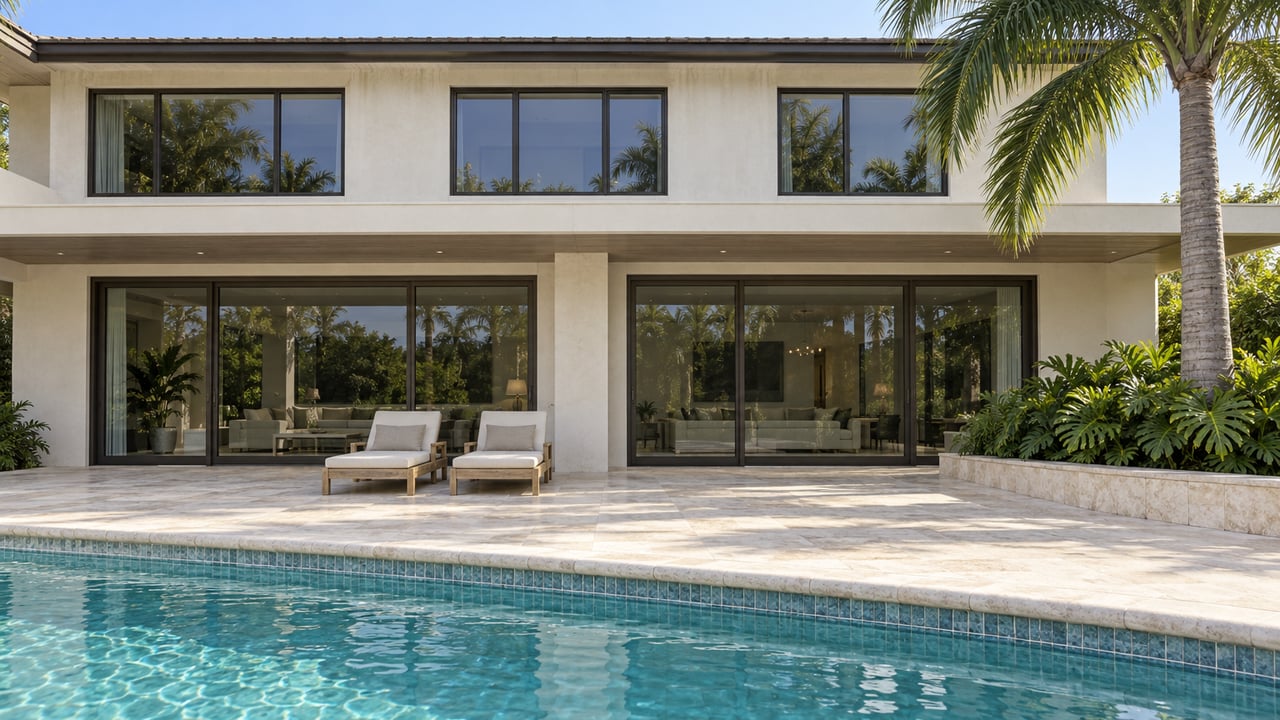
If your priority is a sweeping Gulf or bay view, a high-rise condo is often the first place to look. Because Park Shore’s taller buildings are concentrated on the west side of Gulf Shore Boulevard and around Venetian Bay, they are generally the best match for buyers who want elevated water views and close proximity to the shoreline, based on the neighborhood layout outlined by the Park Shore Association.
High-rise living can also appeal if you want to simplify exterior upkeep. In a condominium setting, Florida law states that the association generally maintains the common elements, and it also gives the association authority to repair and replace those shared components when needed under Chapter 718 of the Florida Statutes.
For many buyers, that setup can feel more convenient than managing the full exterior of a detached property. You may be able to focus more on lifestyle and less on hands-on exterior maintenance, though the tradeoff is that the association’s budgeting and long-term planning become very important.
High-Rise Benefits to Consider
- Gulf or bay views are often a major draw
- Water proximity may be stronger in the high-rise corridor
- Exterior maintenance is usually more centralized through the condo association
- Shared amenities may be part of the ownership experience
- A lock-and-leave lifestyle can appeal to seasonal owners
High-Rise Questions to Ask
A beautiful view should not be the only thing you evaluate. For taller buildings, reserve planning, inspections, and capital improvements deserve close attention.
Florida requires condominium associations for buildings three stories or higher to complete a structural integrity reserve study at least every 10 years, and the law also outlines milestone inspection requirements where applicable. Collier County notes that coastal buildings within 3 miles of saltwater face a 25-year milestone-inspection threshold, compared with 30 years farther inland, so these are key due-diligence items in Park Shore. You can review the condo requirements in Florida condominium law.
That matters because reserve planning can include major systems such as roofs, structure, fire protection, plumbing, electrical systems, waterproofing, windows, and exterior doors. When you compare buildings, ask how the association is handling these items now, not just whether the lobby and pool look polished today.
Why Buyers Choose Villa Living
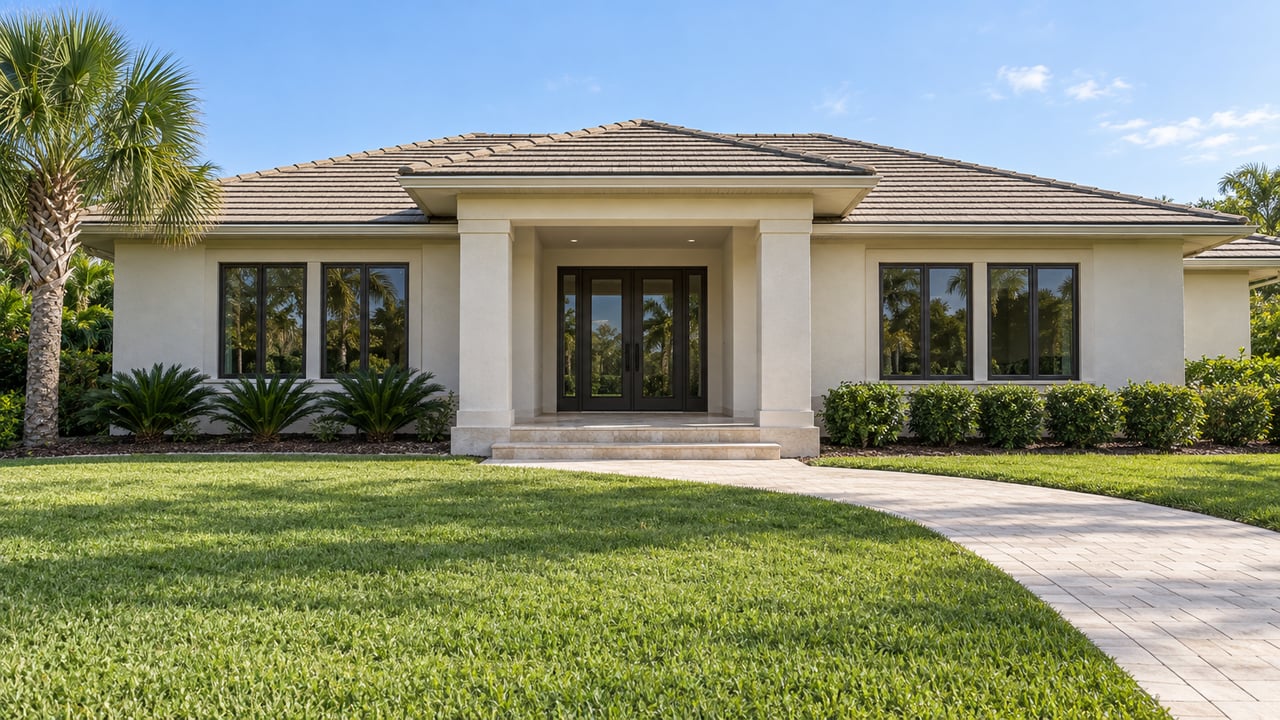
If you picture more privacy, ground-level outdoor space, and a more residential feel, villa-style living may be the better match. In Park Shore, that preference usually aligns more closely with the mainland portions of the neighborhood rather than the west-side high-rise corridor, based on the area’s layout and property mix described by the Park Shore Association.
Villa ownership can feel more personal and private. You may have a stronger sense of separation from neighbors and a different relationship to outdoor living, especially if your ideal day includes enjoying a lanai, garden space, or a lower-density setting.
Still, villa living is not always maintenance-free. Florida’s homeowners’ association law explains that associations may own or maintain common areas and collect assessments under the governing documents, which means some villa communities still share responsibility for landscaping, lighting, roads, or amenities under Florida HOA law.
Villa Benefits to Consider
- More privacy and separation from neighboring residences
- Ground-level living may feel more relaxed and residential
- Outdoor space can play a bigger role in daily life
- The ownership experience may feel closer to a traditional home
- Lower-density surroundings may suit buyers who want less vertical living
Villa Questions to Ask
Villa communities often come with different rules than a high-rise condo, but rules still matter. Florida law allows HOAs to review and approve exterior plans and standards when that authority appears in the governing documents, so your flexibility on exterior changes depends on the specific declaration and architectural guidelines in place under Section 720.3035.
That means your due diligence should go beyond appearance and location. You will want to understand who maintains what, what approvals are required for exterior changes, and whether the community feels more condo-like in practice or more like a traditional home setting.
Beach Access Is a Key Detail
One of the most important Park Shore questions has nothing to do with finishes or floor plans. It is beach access.
The Park Shore Association FAQ states that membership is voluntary rather than a mandatory HOA, and property owners within Park Shore boundaries can join. The association also says its private beach park is for members only and requires an active membership card for access.
For you as a buyer, that means beach access should always be verified by property address and ownership type. Do not assume that every Park Shore property includes the same beach rights or access process.
Flood Zones and Coastal Upkeep
In a coastal neighborhood like Park Shore, insurance and resilience should be part of your decision. The City of Naples states that its 2024 Flood Insurance Rate Maps are in effect for construction and insurance purposes, and the city’s guide identifies Zone VE as a coastal high-hazard area where wave action can cause structural damage and mandatory flood-insurance purchase requirements apply.
That does not mean every property in Park Shore falls into the same flood designation. It does mean you should verify the exact flood zone by address before you make assumptions about insurance costs, lending, or future planning.
Beachfront ownership also comes with the reality of shoreline work. Collier County reported that the Park Shore Beach Renourishment Project was approved and completed in 2025 to restore an 85-foot beach width after erosion and storm impacts. If you are leaning toward Gulf-front living, it is smart to expect periodic coastal projects, temporary access changes, and dune-related maintenance over time.
How to Decide What Fits You Best
If you are weighing high-rise versus villa living in Park Shore, start with three practical questions.
What kind of view do you want?
If panoramic Gulf or bay views are central to your lifestyle, a high-rise condo may better match your goals. If you care more about private outdoor living and a residential feel, a villa may be the stronger fit.
How much maintenance do you want to outsource?
Condos often place more exterior responsibility on the association, while villas may involve a different split between owner and association responsibilities. The right answer depends on how hands-on or hands-off you want your ownership experience to be.
How much privacy matters day to day?
Some buyers love the convenience and vertical perspective of tower living. Others want ground-level space, more separation, and a setting that feels less shared. Your comfort with density, access, and building structure matters just as much as the address.
Documents to Review Before You Buy
No matter which direction you are leaning, the most useful documents often tell you more than the listing photos ever will. The research behind Park Shore ownership points to several items you should review carefully during due diligence.
For Any Park Shore Property
- Declaration and governing documents
- Current budget
- Insurance summary
- Recent board minutes
- Rental rules
- Pet rules
- Parking rules
- Any notices tied to special assessments or capital projects
For High-Rise Condos
- Reserve information
- Structural integrity reserve study status
- Milestone inspection status
- Responsibility for major systems such as roofs, elevators, windows, and waterproofing
For Villas
- Architectural review rules
- Exterior-maintenance responsibilities
- Common-area obligations and assessments
- Limits on exterior changes or storm-protection features
The Bottom Line on Park Shore Living
There is no one right answer in Park Shore, only the right fit for how you want to live. High-rise condos often appeal if you want water views, beach proximity, shared amenities, and less exterior upkeep. Villas often stand out if you want privacy, ground-level space, and a more residential day-to-day feel.
What matters most is understanding the tradeoffs before you commit. If you want clear, personalized guidance on Park Shore property types, beach-access questions, and the details that matter during due diligence, Susan Barreiro can help you navigate the options with a high-touch, local approach.
FAQs
What is the difference between high-rise and villa living in Park Shore?
- High-rise living in Park Shore usually offers stronger Gulf or bay view potential, closer water proximity, and more association-managed exterior upkeep, while villa living often offers more privacy, ground-level space, and a more residential feel.
Does every Park Shore property include private beach access?
- No. The Park Shore Association says its private beach park is for members only and requires an active membership card, so beach access should always be verified by address and ownership type.
What should condo buyers review before buying in Park Shore?
- Condo buyers in Park Shore should review the declaration, current budget, reserve information, insurance summary, recent board minutes, rental and pet rules, special assessment notices, and the building’s reserve-study and milestone-inspection status.
What should villa buyers review before buying in Park Shore?
- Villa buyers in Park Shore should review the governing documents, exterior-maintenance split, architectural-control rules, common-area responsibilities, current budget, insurance summary, and any assessment or project notices.
Do flood zones vary within Park Shore?
- Yes. The City of Naples advises buyers to verify the flood designation by exact address because coastal properties in Park Shore may not all fall into the same flood zone.
Can shoreline projects affect daily life in Park Shore?
- Yes. Collier County’s 2025 Park Shore Beach Renourishment Project shows that beachfront ownership can involve periodic construction, access changes, and dune-management activity over time.