Thinking about a home in a North Naples master-planned community? With beach, golf, fitness, dining and sometimes marina access wrapped into one neighborhood, these communities make seasonal and full-time living simple. You want the right fit without surprise fees or restrictions. This guide shows you how master-planned living works in North Naples, what it costs, and how to compare options with confidence. Let’s dive in.
What a master-planned community is
A master-planned community is a pre-designed neighborhood with coordinated land uses, consistent design standards, and shared amenities. In North Naples, you’ll see single-family homes, villas, and condo buildings grouped around clubhouses, pools, fitness centers, golf, walking paths, and sometimes private beaches or marinas. Most communities are governed by an HOA or condo association. Some also use a Community Development District, known as a CDD, to fund roads and infrastructure.
Amenity access models explained
Private club model
Some communities pair homes with a country club or beach club. Membership may be required and can include an initiation fee plus monthly dues. Equity memberships, transfer rules, and guest policies vary. Always confirm in writing whether golf, tennis, dining, or beach access transfers with the home.
HOA-run amenities
In many neighborhoods, the HOA owns and operates the clubhouse, pool, fitness center, and common areas. HOA dues cover routine upkeep and operations. Large replacements, like roofs or road resurfacing, can require special assessments. Review budgets and reserve studies to see if funds match upcoming needs.
Condominium association amenities
Condo associations fund amenities through monthly dues. Expect line items for insurance, maintenance, and reserves. If the building includes high-cost systems or a waterfront seawall, reserves should reflect that reality. Ask for recent financials and meeting minutes to spot pending projects.
Public or shared amenities
Some places advertise nearby parks or marinas operated by public entities. Confirm ownership and access rules before you rely on them. For marinas, verify whether access is public, membership-based, or limited to deeded slip owners. Marketing language can be broad, so details matter.
Lifestyle types to consider
Luxury resort and private-club living
You’ll find spa-style amenities, dining, concierge services, and sometimes beach clubs. If you want a turnkey, high-touch experience, this can be a strong fit. Budget for initiation fees, dues, and any transfer costs. Confirm guest use policies if you entertain often.
Golf-oriented gated communities
Private courses, practice facilities, and active social calendars attract dedicated golfers. Ask whether memberships are equity or non-equity and how many members the club allows. Course ownership and maintenance plans affect dues and resale demand. Review the club’s capital projects and long-term planning.
Waterfront and marina-focused options
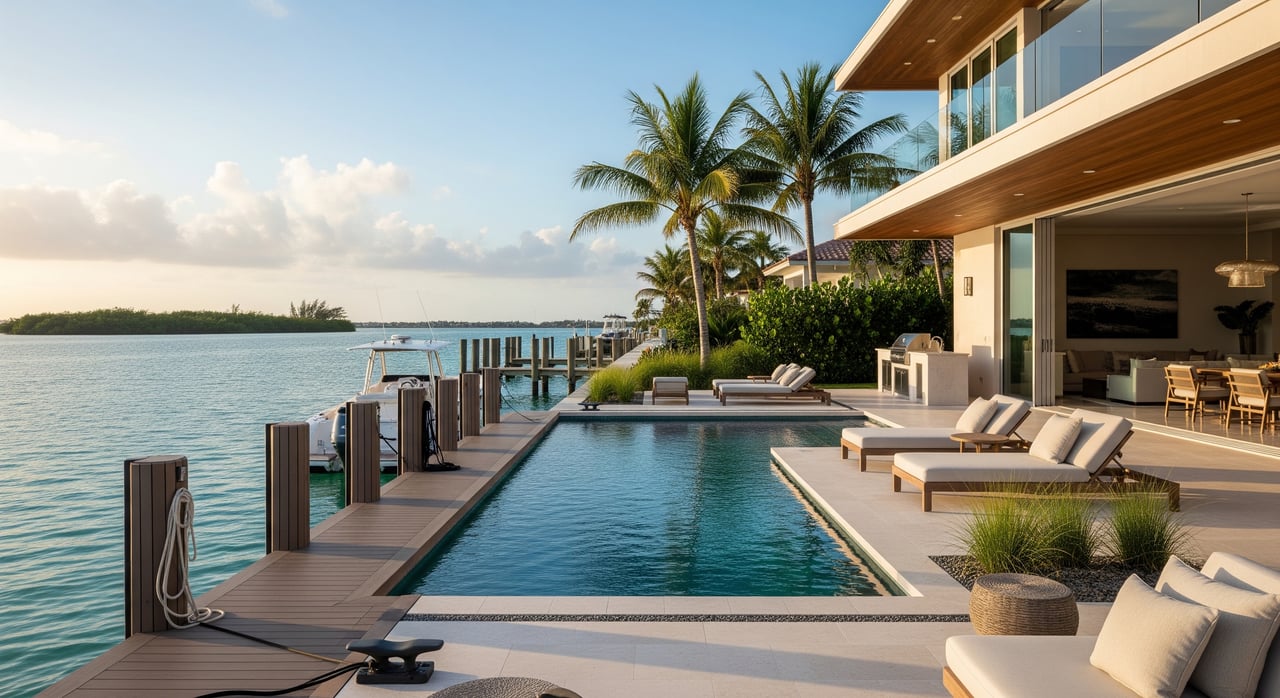
Canal, bay, and Gulf-access properties appeal to boaters and view seekers. The key is how you access the water. Check if slips are deeded, leased by the association or club, or available through a waitlist. Confirm depth, bridge clearance, and rules for lifts and tie-downs during storm season.
Active adult communities
Age-restricted neighborhoods offer low-maintenance living and robust activity calendars. Review occupancy rules and rental restrictions to ensure they match your plans. Look at transportation access and nearby healthcare. Ask how community programming is funded and staffed.
Family and mixed-use developments
These neighborhoods blend homes with parks, paths, and sometimes shops or offices. If you value convenience and community events, this can be a great match. Check traffic patterns at peak hours and any future build-out plans. Keep school-related comments neutral and factual, and verify zones through official sources when needed.
Costs, fees, and governance
HOA or condo dues cover common-area maintenance, security, and amenity operations. Ask for current budgets, reserve studies, and the last 12 to 24 months of meeting minutes. If a Community Development District is in place, learn how it’s structured and what it funds. You can review the legal framework in Florida Statute Chapter 190 and check assessments on the Collier County Property Appraiser.
Special assessments can arise for roads, roofs, docks, or seawalls. Look for upcoming capital projects in the minutes. Confirm how costs are allocated among owners. Ask about recent insurance renewals for common areas, as those premiums can affect dues.
Marina, dock, and water access checks
If boating is a priority, confirm the exact slip arrangement. Deeded slips add value for boat owners. Association or club-managed slips may involve waitlists, limits on size, and separate dues. Public marinas operate under their own rules, so verify availability and terms.
For construction, repair, or vegetation impacts near the water, Collier County and state-level rules apply. Start with Collier County government resources for permitting, environmental guidance, and contact links. Ask who owns and maintains the seawall and how repair costs are shared. For navigation, verify mean low water depth, tidal range, channel access, and bridge clearances relative to your vessel.
Flood, storm, and insurance readiness
North Naples properties can sit in different flood zones, even within the same community. Use the FEMA Flood Map Service Center to confirm your lot’s flood zone and base flood elevation. Construction that meets newer Florida wind standards can influence insurance pricing and risk. For market conditions and consumer guidance, check the Florida Office of Insurance Regulation and consult your insurance professional.
Taxes and carrying costs
Estimate your annual total by adding property taxes, HOA or condo dues, any CDD assessment, flood and wind insurance, private club dues if applicable, and routine maintenance. Pull parcel data and historical tax records from the Collier County Property Appraiser. For pricing trends and market context by product type, review reports from Florida Realtors. Build a range that includes potential special assessments so you are not surprised later.
Shortlisting and touring plan
Step 1: Define your priorities
- Lifestyle: resort, boating, golf, active adult, or mixed-use.
- Occupancy: full-time, seasonal, or rental-focused.
- Product type: single-family, villa, or condo.
- Budget: include dues, CDD, insurance, and any club fees.
Step 2: Do remote research
- Pull HOA or condo declarations, budgets, reserves, and minutes.
- Confirm flood zone and elevation through the FEMA Flood Map Service Center.
- Review parcel tax history on the Collier County Property Appraiser.
- Scan market stats by community or product type using Florida Realtors and your agent’s MLS resources.
Step 3: Narrow your list and schedule tours
Choose 4 to 8 communities or 6 to 10 properties. Plan a single full day or two half-days to compare apples to apples. Ask for an amenities map that distinguishes deeded access from membership. If boating matters, request current slip availability and waitlist details.
Tour checklist onsite
- Physical: clubhouse condition, pool and fitness upkeep, courts, golf facilities, docks and seawalls, and parking.
- Operations: who runs the club or marina, how access works, and whether rules are changing.
- Governance: request a reserve summary and recent meeting minutes.
- Rentals: confirm minimum stays, blackout dates, and any owner occupancy ratios.
Step 4: Final technical checks
- Order a home inspection and survey. For waterfront, add a marine consultant to evaluate depth, slip fit, and seawall condition.
- Review title for easements, riparian rights, and any claims on common areas.
- Confirm how club memberships transfer and what initiation or refund terms apply.
How I help you compare communities
You deserve a seamless, informed experience that aligns with your lifestyle. As a boutique, single-advisor partner backed by Premier Sotheby’s, I coordinate targeted tours, request and summarize association documents, and help you weigh amenities, access, and carrying costs side by side. If you value waterfront living, boating convenience, or resort-caliber amenities, I bring deep local knowledge of North Naples and Collier County’s master-planned options. Ready to find your fit? Connect with Susan Barreiro.
FAQs
What is a master-planned community in North Naples?
- It is a pre-designed neighborhood with coordinated housing types and shared amenities governed by an HOA or condo association, and sometimes funded in part by a CDD.
How do CDD fees work in Collier County communities?
- CDDs fund community infrastructure under Florida Statute Chapter 190, with assessments typically appearing on your tax bill, which you can review via the Collier County Property Appraiser.
What should boaters verify about marina access?
- Confirm whether slips are deeded or leased, current waitlist status, allowable vessel size and depth, ownership and maintenance of seawalls, and storm-season rules for lifts and tie-downs.
How do flood zones affect buying in North Naples?
- Flood zones influence insurance requirements and elevation needs, so use the FEMA Flood Map Service Center to verify your lot’s zone and base flood elevation before you estimate premiums.
Are short-term rentals allowed in these communities?
- Many associations regulate rentals, so check the governing documents for minimum stays, blackout periods, and registration requirements before you plan rental income.
What documents should I review before making an offer?
- Request CC&Rs or condo documents, budget and reserves, recent minutes, insurance certificates for common areas, rental rules, and any club membership contracts and transfer terms.