Imagine waking up to a soft Gulf breeze, stepping out for a sunrise walk, and watching pelicans glide over glassy water. If you are considering a second home or planning your retirement, that rhythm can be your everyday on Marco Island. This guide gives you a clear picture of how waterfront living actually works here, from daily routines and boat access to property types, rules, and ongoing costs. You will learn what fits your lifestyle so you can buy with confidence. Let’s dive in.
What waterfront life feels like
Morning on the water
Many days start early. You might stroll the beach for shells, then paddle a kayak through calm lagoons while the water is still. Retirees often time walks and paddles for cooler hours, while part‑time residents make the most of mornings before heading out on a boat. It is peaceful, outdoorsy, and centered on the water.
Midday freedom
Late morning and midday are ideal for boat trips, nearshore fishing, or island hopping. If you keep a boat at your dock, you can decide on a whim to go. Others launch from marinas or ramps, then head for lunch at a waterfront restaurant. If you prefer quieter water, protected bays and lagoons are great for paddleboarding.
Evenings and community
Afternoons often slow down with pool time, a nap, or quick maintenance like checking a dock line. As the sun drops, sunsets become the main event, whether from your lanai or a private dock. Community life tends to revolve around marinas, waterfront restaurants, and local events, so you have plenty of casual options close by.
Seasonal rhythm
High season, from roughly November through April, brings a larger seasonal population and a fuller event calendar. You will find more boat traffic and busier restaurants. Summer is quieter, warmer, and more humid, which many owners enjoy for the relaxed pace. Hurricane season runs June through November, so storm awareness and planning are part of the lifestyle.
Property types on Marco Island
Gulf‑front condos
Gulf‑front buildings offer direct sand access and sweeping water views. You get beach time at your doorstep plus shared amenities. These residences focus on convenience, with maintenance handled by a condominium association. They appeal if you want low‑maintenance living and easy beach days.
Bay and lagoon‑front homes
Bay and lagoon‑front properties face protected waters that are typically calmer than open Gulf frontages. They are well suited to kayaking, paddleboarding, and wildlife watching. Many buyers choose these locations for quieter scenery and sheltered views. Boat size and water depth still matter, so verify navigation routes and tide influences.
Canal‑front single‑family homes
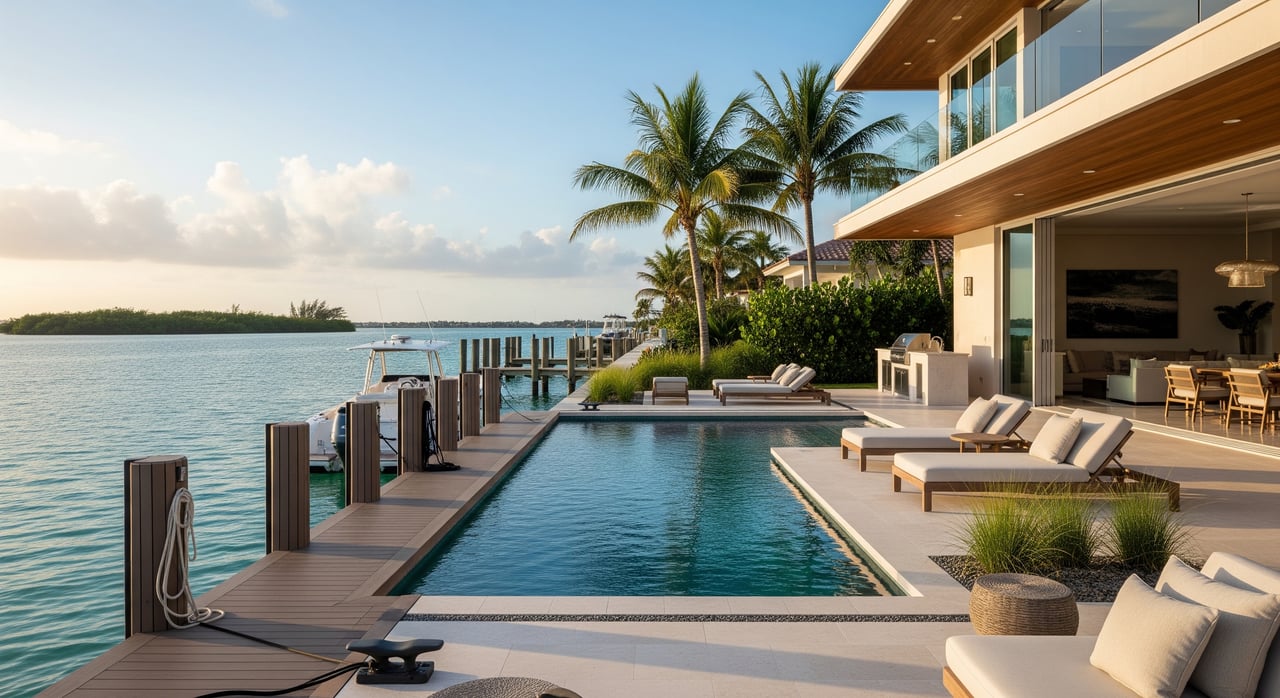
Canal homes are popular for private docks and direct boating access. You can keep your vessel steps from your back door, then follow canals and channels to the Gulf. Depth, bridge clearances, and turning radii vary by canal, so match the canal to your boat. A local assessment of the route to open water is essential before you buy.
What boat fits where
- Gulf‑front condos: Often limited or no private slip options, though some communities offer dockage rules or nearby marina access.
- Bay or lagoon‑front: Good for smaller draft boats, paddle craft, and relaxed cruising. Larger boats may be limited by depth or tidal windows.
- Canal‑front: Most flexible for powerboats. Check bridge heights, typical low‑tide depths, and channel width for your intended vessel.
Key features to evaluate
Docks and boatlifts
Confirm whether a property has a private dock, wet slip, or boatlift, and whether it is deeded or part of a shared facility. Inspect condition, permitted size, and any HOA rules about vessel type or length. Ask about lift capacity, electrical setup, and access to shore power. Clarify maintenance responsibilities for common docks.
Seawalls and bulkheads
Seawalls protect canal and bayfront lots. Ask about age, material, and prior repairs. Replacement and major repairs can be significant expenses. Confirm whether the owner or association maintains the seawall and whether there are reserve funds or planned assessments.
Elevation and flood zones
Many waterfront parcels sit in FEMA flood zones. Review elevation, drainage, and mitigation features like impact windows and storm shutters. Flood insurance is common, and premiums depend on elevation and property details. Your due diligence should include an elevation certificate and a review of flood maps for the specific address.
HOA and condo rules
Rules shape how you live on the water. Confirm vessel restrictions, dock assignments, rental policies, pet rules, and any upcoming assessments. Read the governing documents for details about seawalls, docks, and marina facilities. If you plan to rent, make sure the community allows your preferred rental timeline.
Boating, beaches and access
Getting to the Gulf
Your route from dock to the Gulf of Mexico varies by location. Some canals provide quick access, while others involve bridges or longer channels. Depth and tides may affect timing for deeper draft boats. Build a test run into your property tours so you understand the actual path and any constraints.
Marinas and ramps
Marco Island offers a mix of public and private marinas, boat ramps, and services. If you do not have a dock, you can explore slip rentals, dry storage, and guest dock policies. Check fuel availability, maintenance services, and seasonal slip demand, especially during winter.
Beaches, parks and nature
Beaches are central to the lifestyle, from swimming and sunbathing to sunset watching. The island’s lagoons and birding areas offer quiet paddles and wildlife viewing. By boat, you can reach the Ten Thousand Islands and the Gulf for fishing, shelling, and exploring nearby beaches and mangrove keys.
Practical logistics that matter
Groceries, dining and services
You will find groceries, pharmacies, and daily services on the island, which keeps errands simple. Waterfront dining is part of the culture, often with options to arrive by boat. For broader shopping and specialty services, many residents make short trips to Naples.
Healthcare and airports
Collier County and Naples offer hospitals and specialty care within driving distance. Urgent care options are available on and near the island. For travel, Southwest Florida International Airport serves most seasonal residents. Private and regional airports add flexibility for frequent flyers.
Transportation and storage
Driving and parking are manageable. If you own a trailered boat, plan for storage, whether at home, a storage facility, or a marina. Docks and lifts reduce trailering needs, which is why canal properties appeal to active boaters.
Risks, rules and recurring costs
Weather and hurricane season
Marco Island has a subtropical climate with hot summers and mild winters. Hurricane season runs June through November, with peak activity often in late summer and fall. Preparedness includes storm planning, wind mitigation features, and a review of historical storm impacts. Many owners keep simple readiness checklists for shutters, outdoor furniture, and boats.
Flood insurance and coverage
If your property sits in a designated flood zone, your lender will likely require flood insurance. Coverage and premiums depend on elevation, construction, and mitigation features. Speak with a licensed insurance professional, and obtain an elevation certificate early. Factor insurance into your annual cost planning.
Maintenance realities
Salt air accelerates corrosion of metals and outdoor systems. Budget time and funds for HVAC care, exterior fixtures, boatlifts, and dock hardware. Seawalls need periodic inspection, and repair or replacement can be a major capital item. A routine maintenance plan helps protect value and keeps waterfront systems reliable.
Permits and environmental rules
Docks, lifts, and seawall work usually require county and state permits. Environmental considerations, such as mangroves and submerged vegetation, can shape what is allowed. Confirm all permits for existing structures and review any open or expired permits before closing. If you plan upgrades, discuss scope and timelines with qualified contractors early.
Taxes and assessments
Waterfront ownership can include higher ongoing costs due to maintenance and amenities. Review property taxes, condo or HOA fees, and any special assessments related to seawalls, dredging, or beach projects. Ask for association budgets and reserve studies when available. Clear financials make long‑term planning easier.
Short‑term rental rules
Rental policies vary by property type and association, and county rules apply. If income potential is part of your plan, confirm minimum stay requirements and registration steps. Make sure your vessel use and guest guidelines align with community policies. Always verify rules before you rely on projected income.
Smart buyer checklist
- Map your typical day, then pick the waterfront type that supports it: beach‑first, paddling‑forward, or boat‑centric.
- Test the boat route from dock to Gulf, and confirm canal depth, bridge heights, and tidal constraints for your vessel.
- Inspect docks, lifts, and seawalls, and review maintenance records and age.
- Confirm elevation, flood zone, and obtain an elevation certificate.
- Review HOA or condo governing documents, rental rules, and upcoming assessments.
- Verify permits for docks and lifts, and ask about any open or expired permits.
- Get insurance quotes early for wind and flood coverage.
- Plan storage for trailers, kayaks, paddleboards, and gear.
- Align services you want, from marinas to healthcare access, with your location.
Is Marco Island right for you
If you love being on the water and want a lifestyle that is easy, outdoorsy, and close to nature, Marco Island delivers. Whether you picture beach walks from a Gulf‑front condo or quick boat rides from a canal home, you can match your property to your daily rhythm. Thoughtful due diligence on docks, seawalls, elevation, and rules pays off, especially for second‑home and retiring buyers who value a smooth, low‑stress experience. If you want clear guidance through that process, connect with a local expert who lives this lifestyle every day.
Ready to narrow your options and see the right waterfront fit for you? Reach out to Susan Barreiro for concierge‑level guidance backed by local expertise and global marketing reach.
FAQs
Can I keep a boat at my property year‑round on Marco Island
- Yes, many canal and some bayfront properties allow year‑round dockage, but you should confirm dock ownership, lift capacity, HOA rules, and permitted vessel sizes for the specific property.
How fast can I reach the Gulf from a canal home on Marco Island
- It depends on the canal’s location, depth, bridge clearances, and channel routes, so schedule a test run during your tour to understand timing and any tidal constraints.
What seasonal differences should waterfront buyers expect on Marco Island
- High season brings more activity, fuller marinas, and busier dining, while summer is quieter with warmer weather and humidity, and hurricane season requires simple readiness plans.
What insurance should I plan for when buying waterfront on Marco Island
- Many buyers carry homeowners, wind, and flood policies, and premiums depend on elevation, construction, and mitigation features, so obtain quotes early in due diligence.
What maintenance budget should I consider for docks and seawalls on Marco Island
- Costs vary by age and condition, so plan for routine inspections and upkeep, and be prepared for potential capital items like seawall repair or replacement over time.
Are short‑term rentals allowed for waterfront properties on Marco Island
- Policies vary by county and association, so confirm local rules, minimum stays, and registration requirements, and verify that the community allows the rental approach you plan to use.