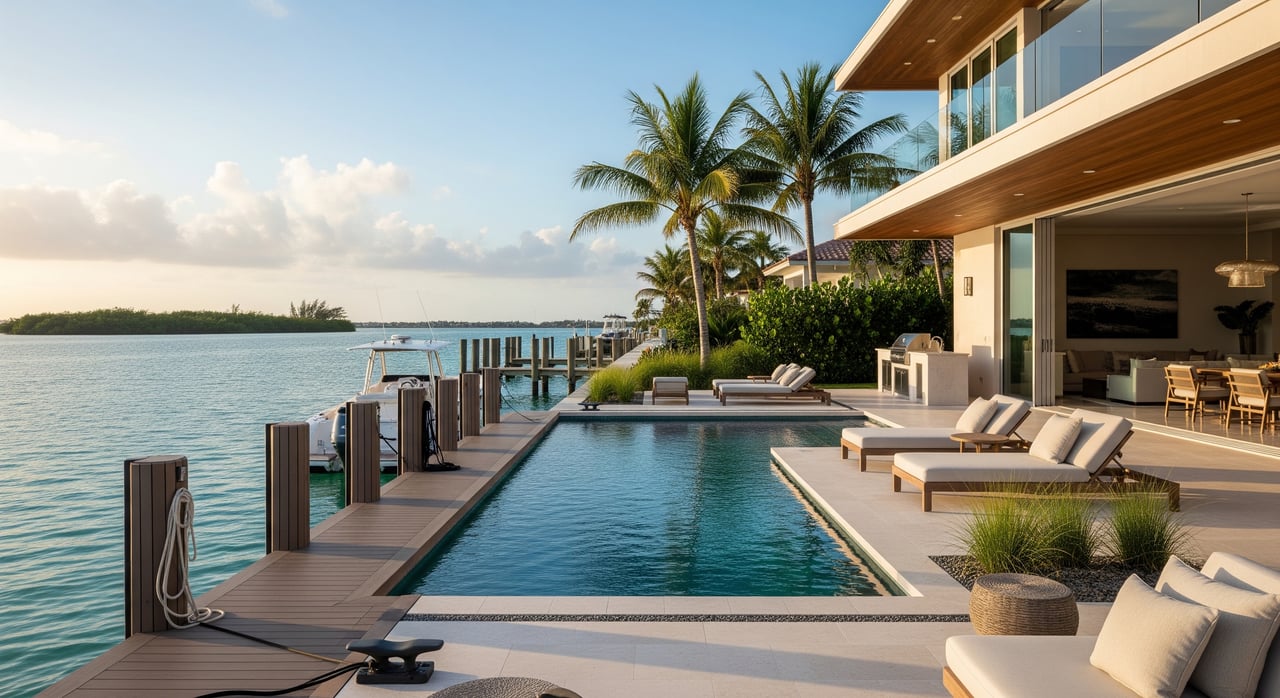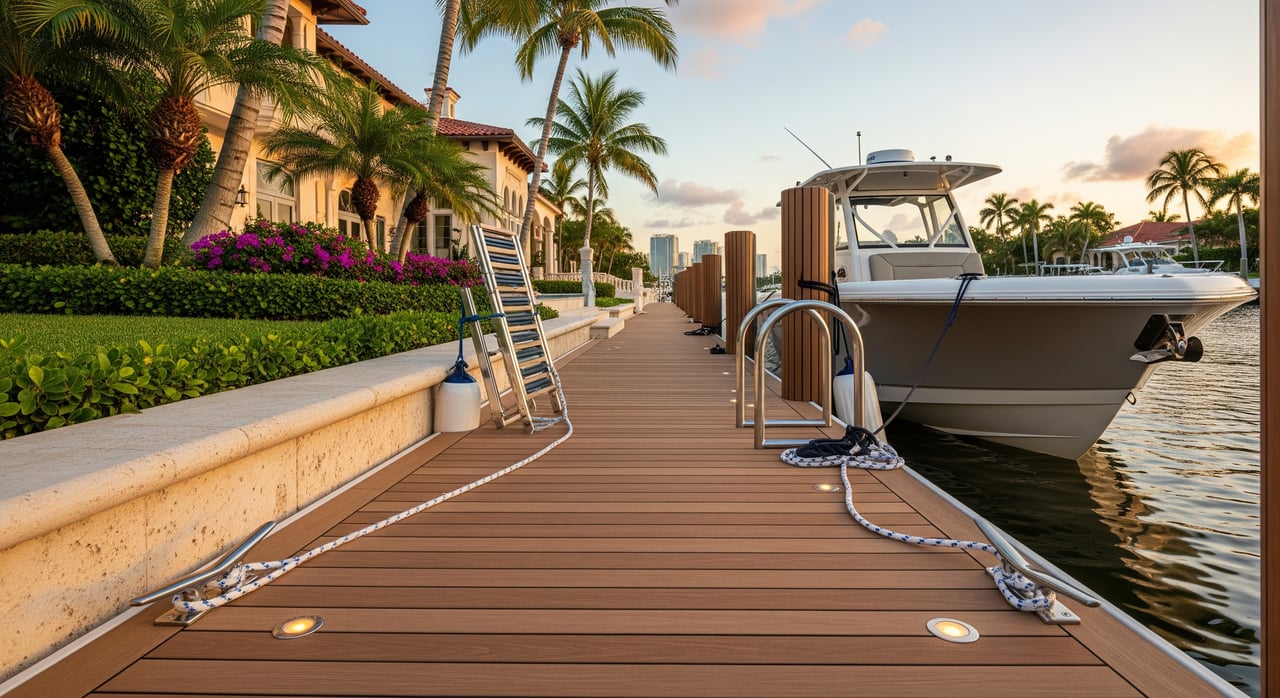
Dreaming of stepping from your Park Shore backyard onto your boat and cruising to Naples Bay? Waterfront living is unmatched, but docks, lifts, and seawalls add layers of detail that can affect daily use, safety, and long-term costs. If you understand how access, structures, and permits work here, you can buy with confidence and plan smart upgrades. This guide breaks down the essentials so you know what to look for, what to verify, and who to call. Let’s dive in.
Know your water access
Your enjoyment starts with how easily you can reach Naples Bay and the Gulf. Park Shore canals connect to the Bay, but not all routes are equal. You should verify the distance, turns, and any fixed bridges or narrow channels along the way. Review official sources like NOAA nautical charts and applicable U.S. Army Corps of Engineers channel surveys to confirm controlling depths and hazards for your vessel.
Tides in Southwest Florida are modest, but low water and shoaling still matter. Check mean and extreme low-water depths along your route so your boat’s draft will clear even on the lowest tides. Use NOAA charts and ask for any local dredging records that could affect planned use or upgrades.
Park Shore sits in a hurricane-prone coastal zone. Storm surge and waves are major long-term stressors on docks and seawalls. Before you buy, review your flood risk using the FEMA Flood Map Service Center and discuss insurance options that address marine structures.
Common dock and lift setups
Fixed vs. floating docks
Fixed, pile-supported docks feel stable and can support heavier loads. They suit permanent utilities and larger lifts. Floating docks rise and fall with the tide and are often easier on boats during level changes. In severe storms, both must be properly engineered and anchored for local conditions.
Layouts that fit Park Shore
You will often see a single slip with a private lift for smaller powerboats. Canal homes with more space may favor a T-head for easier maneuvering and one or two lifts. In condos or associations, slips may be shared. Confirm ownership, transfer rules, fees, and maintenance obligations before you write an offer.
Boat lift types and what to check
Common lifts include cradle or rack lifts, hydraulic vertical lifts for larger boats, and motorized winch lifts for PWCs. Match the lift capacity to your boat’s weight and beam, confirm piling strength, and check electrical components for safety. Look for proper corrosion protection and sacrificial anodes. For maintenance and best practices, see Florida Sea Grant guidance.
Materials and durability
Decking may be pressure-treated wood, hardwood, PVC, or composite. Pilings and framing can be treated timber, concrete, or steel. Floating pontoons may be polyethylene or aluminum. Each material has different maintenance needs, especially in saltwater. For technical insights, review UF/IFAS Extension and Florida Sea Grant resources.
Seawalls and shoreline protection
Seawalls protect your upland property from erosion and tidal action. You will see concrete gravity walls, steel sheet piling, and riprap revetments in Park Shore. Proper design and upkeep are key to long service life in a saltwater, hurricane-influenced setting. UF/IFAS and Florida Sea Grant offer useful overviews of types and maintenance.
Red flags during a showing
- Leaning or bulging wall sections.
- Cracks, spalling concrete, or exposed rebar.
- Undercutting or scour at the seawall toe.
- Settlement behind the wall or gaps at joints.
- Signs of patchwork repairs without records.
- Rot or marine borer damage if timber is present.
Lifespan and maintenance pointers
Concrete and steel systems that are well built and maintained can last for decades. Timber bulkheads usually have shorter service lives. Plan on annual inspections and extra checks after major storms. Proactive toe protection, cathodic systems, and prompt repair of small issues help avoid larger failures.
Permits and environmental rules
Dock, lift, dredging, and seawall work is regulated at several levels. Start with Collier County permitting for local rules on docks, seawalls, and electrical. State approvals may be required from the Florida Department of Environmental Protection for coastal construction or work on sovereignty submerged lands. Some projects also need federal authorization from the U.S. Army Corps of Engineers.
Manatee protection, seagrass, and other habitat rules can influence design, timing, and construction methods. For wildlife guidance and seasonal restrictions, review the Florida Fish and Wildlife Conservation Commission. Sea turtle lighting rules may apply to upland fixtures near shorelines in nesting areas.
Timelines vary. Some smaller, standard projects qualify for general or expedited approvals. Larger or sensitive work can require surveys, environmental assessments, and public notice. Build permitting lead time and potential mitigation into your schedule.
Buyer due diligence checklist
Quick on-site checks
- Dock dimensions, slip beam, and configuration.
- Lift type and posted capacity; visible condition and corrosion.
- Decking material; soft spots, rot, or excessive wear.
- Pilings for spalling, rust, or exposed rebar.
- Electrical: presence of GFCI and marine-rated gear.
- Seawall: bulges, cracks, scour, or fresh patches.
- Mooring cleats and hardware security.
- Evidence of hurricane repairs or replacements.
- Any posted permits for ongoing work.
Records to request from the seller
- All permits for construction, repairs, and electrical.
- Service history, inspections, and contractor invoices.
- Insurance claim history for dock, lift, or seawall.
- Dredging records or depth surveys adjacent to the property.
- HOA or association rules, slip assignments, and fees.
- Documentation confirming whether the slip is deeded or licensed.
Professionals to engage
- Marine or dock contractor for structural and lift evaluation.
- Coastal or structural engineer for seawall concerns.
- Licensed electrician for shore power inspection.
- Marine surveyor if you want a comprehensive assessment.
Maintenance and ownership planning
Routine care protects your investment and boat. Plan an annual visual review of decking, fasteners, and pilings. Clean marine growth, service lifts per manufacturer guidance, and replace sacrificial anodes as needed. For best practices in a saltwater setting, consult Florida Sea Grant.
Frequency depends on materials and exposure. Timber usually needs more attention than composite or PVC. Always add a post-storm inspection. For flood and surge considerations, use the FEMA Flood Map Service Center and discuss coverage with your insurer. Many policies limit or exclude marine structures, so you may need endorsements or separate coverage.
Park Shore purchase strategy
- Verify access and depth. Confirm your route to Naples Bay and the Gulf using authoritative charts and local records.
- Inspect condition. Focus on seawall toe, piling integrity, and lift mechanics and electrical safety.
- Request documentation. Permits, repairs, dredging history, and association rules help you avoid surprises.
- Plan for approvals. County, state, and federal permits may affect cost and timing for upgrades.
- Budget for maintenance. Build annual care, storm checks, and potential repairs into your plan.
When you are ready to evaluate a Park Shore home, bring your boating goals and questions. I will help you match the property’s dock, lift, and seawall to the way you want to live on the water, and coordinate the right experts so you can move forward with clarity. To start a tailored conversation about Park Shore waterfront options, connect with Susan Barreiro.
FAQs
What should Park Shore buyers check for Gulf access?
- Confirm distance and route to Naples Bay, fixed bridges, and controlling depths using NOAA charts and relevant USACE surveys.
Are floating docks a good choice in Park Shore canals?
- Floating docks handle tidal changes well, but anchoring must be robust and storm-ready. Fixed docks feel sturdier and suit larger lifts. Choose based on exposure and use.
How do I know if a boat lift fits my boat?
- Match lift capacity to your boat’s weight and beam, verify piling strength, and inspect electrical and corrosion protection. See Florida Sea Grant for guidance.
What permits are needed to repair or add a lift?
- Expect local approvals from Collier County and, for work waterward of mean high water, possible authorizations from FDEP and the USACE.
What are common seawall warning signs in Naples canals?
- Look for leaning or bulging sections, cracks, exposed rebar, toe scour, and settlement behind the wall. Engage a coastal or structural engineer if you see concerns.